
Abstract:
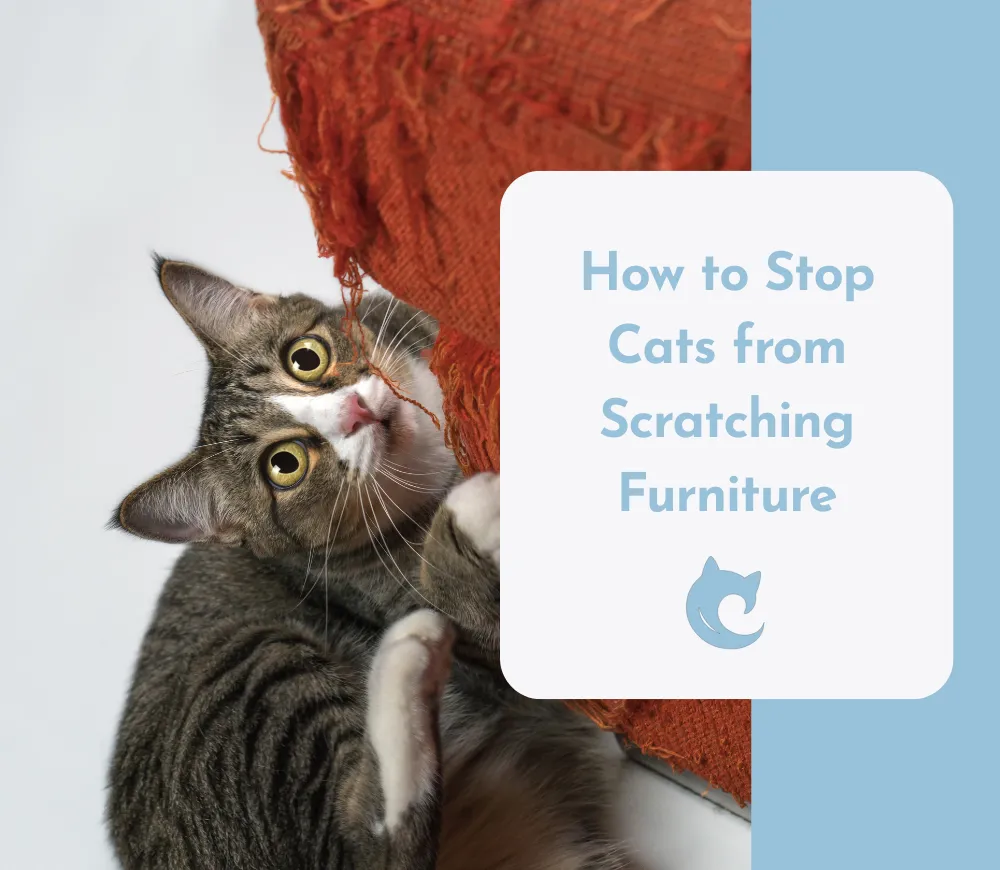
Tired of shredded sofas? Scratching is natural cat behavior – but your furniture doesn’t have to suffer! This guide reveals why cats scratch (territory marking, nail health, stress relief) and delivers 7 actionable steps to redirect claws to cat scratchers. Learn to choose purrfect scratchers, make furniture unappealing, use scent psychology, and avoid harmful declawing. Save your decor while honoring feline instincts!
Why Cats MUST Scratch: 5 Biological Needs
(Based on Manuel et al., 2013)
| Purpose | How It Works |
| Territory Marking | Visual scratches + paw pheromones signal “I own this space” |
| Nail Maintenance | Removes old claw sheaths; keeps claws sharp |
| Stress Relief | Releases endorphins during stretching motion |
| Muscle Activation | Full-body stretch after sleeping/eating |
| Scent Reinforcement | Frequent re-scratching renews fading pheromones |
Key Insight: Preventing scratching harms mental/physical health – redirect instead!
Step 1: Choose a Cat-Approved Scratcher
4 Non-Negotiables (Cozzi et al., 2013):
- Stability: Won’t tip when leaned on (e.g., SmartCat Pioneer Scratcher with 20″ base)
- Texture: Rough surfaces like sisal rope or dense cardboard (avoid carpet mimics furniture!)
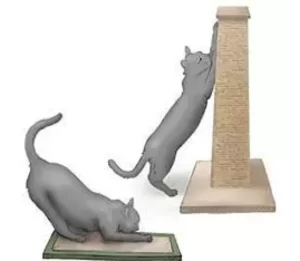
- Size: Minimum height = cat’s full stretch length (measure floor to raised paws + 2″)
- Orientation: Offer BOTH:
- Vertical posts (for territory marking)
- Horizontal/angled boards (for post-meal stretches)
Step 2: Make Scratchers Irresistible
6 Attraction Boosters
- Strategic Placement: Put near:
- Sleeping spots
- Entryways (doors/windows)
- “Offensive” furniture (sofas they target)
- Pheromone Transfer: Rub cat’s paws gently on scratcher surface to deposit scent.
- Sound Trigger: Scratch surface yourself with fingernails – the noise intrigues cats.
- Interactive Play: Dangle wand toys (GoCat Da Bird) near scratcher to create positive associations.
- Catnip Sprinkle: Apply organic silver vine (Meowijuana) weekly.
- Visual Cues: Tape cardboard scratch strips to preferred furniture temporarily, then move strips incrementally toward scratcher.
Step 3: Protect Furniture (Without Punishment)
5 Damage-Control Tactics
- Deep Clean Targets: Use enzymatic cleaner (Rocco & Roxie) to remove scent marks.
- Apply Sticky Deterrents: Cover legs with double-sided tape (Sticky Paws) or plastic film.
- Create “Noise Surprises”: Stack paper cups on furniture edges – falling cups startle but don’t harm.
- Wrap with Cat-Safe Materials: Cover legs with sisal fabric (ScratchSafeguard) or hemp rope.
- Use Furniture Shields: Install clear acrylic panels (Sofa Shield) on corners.
Pro Tip: For already damaged items – cut a fabric swatch and attach it to the scratcher!
Step 4: Transition to New Scratchers
The 3-Phase Swap System
- Phase 1 (Days 1-7): Place NEW scratcher NEXT TO OLD one.
- Phase 2 (Days 8-14): Move old scratcher 5” daily toward desired location.
- Phase 3 (Day 15+): Remove old scratcher ONLY when cat uses new one ≥3 days.
Critical DON’T: The Truth About Declawing
✖️ Never Declaw (Banned in 22 countries):
- Removes toe bone tips – equivalent to amputating human fingertips
- Causes chronic pain in 63% of cats (Martell-Moran, 2017)
- Increases biting by 40% (pain-induced aggression)
- Alternatives: Soft Paws nail caps + scratcher training
Conclusion: Harmony Through Understanding
Redirecting scratching takes 2-8 weeks but lasts a lifetime. Remember:
- Scratching isn’t naughty – it’s biological necessity
- Make scratchers MORE appealing than furniture
- Declawing creates worse problems

